Laws are not created to govern; they are created to secure. Compliance frameworks in healthcare exist with the aim of protecting patient trust, keeping sensitive information confidential, and secure. In the case of dental clinics, this accountability transcends the treatment rooms and is reflected in the handling of patient records, billing, and histories.
That’s where dental patient management software becomes vital. As clinics are digitizing their processes, the manner in which they share and store patient data directly affects legal compliance and the reputation of the clinic. From recording appointments to creating medical history, all these records are sensitive and should be kept secure in the changing Indian laws.
Using software that is compliant with security standards, clinics not only mitigate any legal risks but also demonstrate to patients that they believe their privacy is important. Such a legal necessity and patient confidence ensure that information security adherence is a staple of the current dental practice management.
What Is Data Security Compliance for Dental Software?
Dental software data security compliance is the adherence to legal and technical standards that prevent misuse, breach, or unauthorized access of patient information. Simply put, it provides the responsible and safe handling of all the sensitive information, including medical histories and billing records. In the case of dental clinics in India, this will correspond to such frameworks as the Digital Personal Data Protection (DPDP) Act, the IT Act, and the healthcare-specific regulations that are being proposed. Compliance is not merely a legal tick-box, but a development of trust with patients and a consistent reputation. A secure dental patient management software guarantees that clinics operate safely, ethically, and within the law.
Why Data Security Matters in Dental Software
Any dental office deals with very sensitive patient information, including personal information, medical history, and records. One breach is enough to cause identity theft, financial fraud, or misuse of health information, which endangers patients and clinics. Beyond legal obligations, strong patient data protection in dental software builds trust, showing patients that their privacy is respected. In the case of clinics, it also guarantees continuity in operations, avoids expensive fines, and bolsters long-term reputations. Simply put, secure dental patient management software isn’t optional; it’s the spine of safe, compliant, and patient-friendly dental care.
Compliance Checklist for Dental Software in India
When choosing or using a dental patient management software, clinics must ensure it aligns with India’s evolving data protection framework. Compliance is not only about staying out of trouble, but also protecting patient confidence and enabling free operations in multi-doctor practices. The following is a checklist that can help you through the essentials.
-
DPDP Act Compliance
Digital Personal Data Protection (DPDP) Act, 2023 is an act that mandates the clinic to gather, store, and utilise patient data in a responsible manner. Dental software should seek clear permission, describe the purpose of using the data, and discourage sharing without authorization. A compliant dental ERP with built-in consent tools ensures clinics meet legal standards while protecting patient trust.
-
IT Act & SPDI Rules
According to the IT Act, 2000, and the SPDI Rules, 2011, patient data falls in the category of sensitive information. The clinics will be charged with the responsibility of ensuring the storage, transfers, and access to this data. Compliant dental software minimizes the liability and puts clinics at the center stage of the legal system in India.
-
DISHA (Proposed)
The Digital Information Security in Healthcare Act (DISHA) is still in its draft version, but it brings into focus how electronic health data is to be collected, shared, and stored. Planning to prepare DISHA today is an effective method of future-proofing compliance and enhancing patient trust within dental clinics.
-
Indian Medical Council / Drugs Regulations.
Confidentiality standards are those that clinics should abide by, as set out by the Indian Medical Council. In case an e-prescription is issued, the doctor should provide the registration number and the digital signature, which should be in accordance with the Drugs and Cosmetics Act. These requirements should be facilitated by dental software.
-
EHR Standards for India
The EHR Standards (2016) describe the organization of medical records provided by the Ministry of Health. Compatibility, accuracy, and national health data practices are achieved by having dental software that adheres to these guidelines.
-
ICD Coding Standards
Clinics can use ICD-10 or ICD-11 code sets to record diagnoses and treatments in an identical manner. Adherence to these standards ensures that reporting is more visible and the integration into broader healthcare systems is better.
-
DICOM Imaging Compliance
In regard to dental imaging, such as X-rays or CBCTs, adhering to DICOM standards enables files to be stored as securely as possible and be compatible with other systems. This facilitates the sharing of data and safeguards for patients.
-
End-to-End Encryption
Encryption secures the safety of the patient records stored and transferred. This implies that in the dental offices, the histories, prescriptions, and billing information cannot be read by some people. The data can only be accessed by authorized personnel who are supposed to have the right credentials and, hence, confidentiality.
-
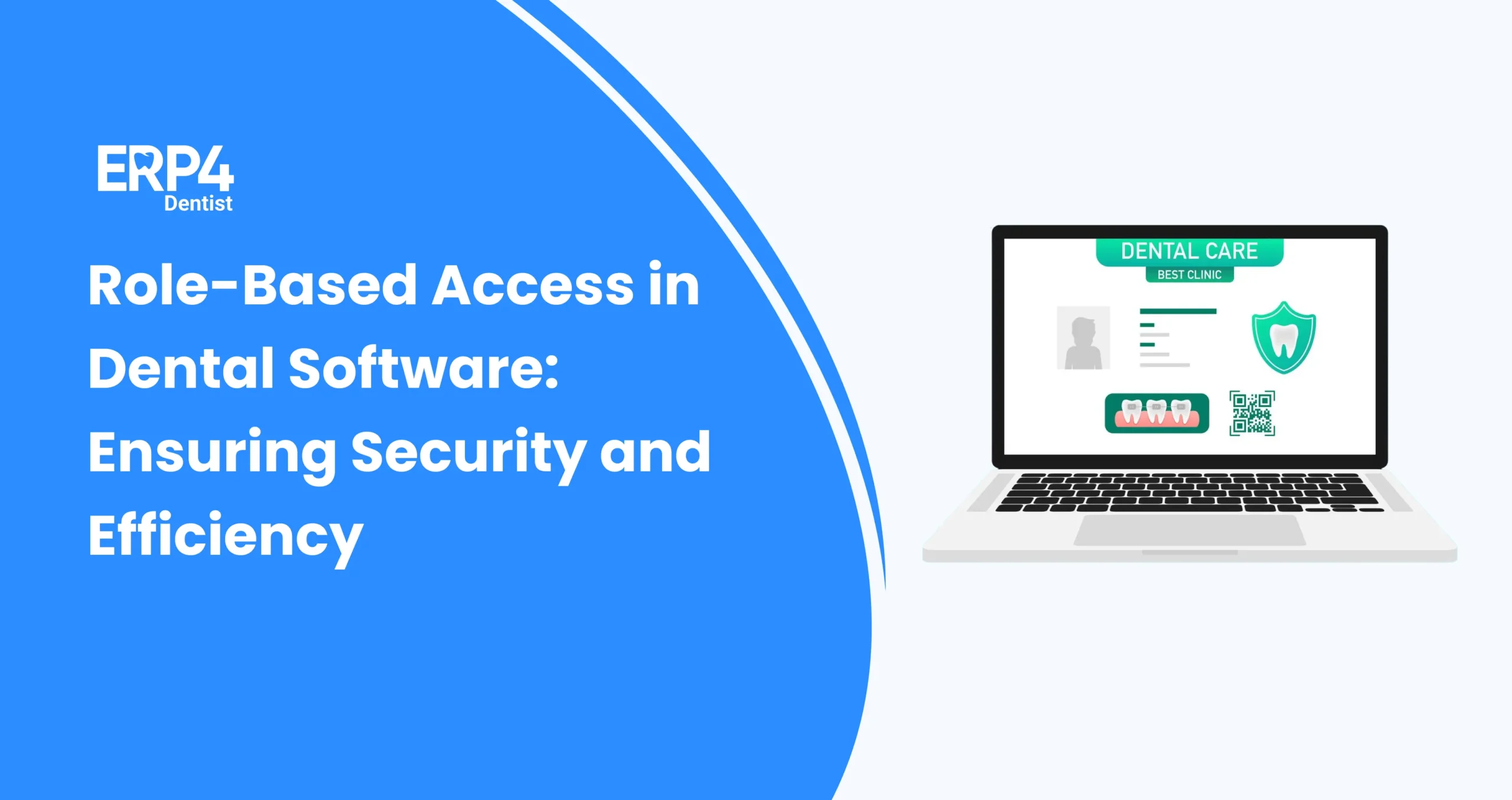
Role-Based Access Control (RBAC)
RBAC restricts access to patient information. Doctors can only access treatment histories, whereas receptionists can only handle appointments. This control will minimize the chances of abuse and ensure that data is not in the wrong hands.
-
Data Backup & Recovery
Patient data must never be lost due to system failures or cyberattacks. Dental software should offer secure and regular back-ups and fast recovery systems. This will make clinics disaster-proof, and the records of patients will always be accessible.
-
Audit Trails & Activity Logs
Each and every login, edit, and record view needs to be monitored. Audit logs assist in suspicion detection, accountability, and proving compliance in audits. They provide an additional level of openness in data management.
-
Consent Management
The patients should authorise the way their data is gathered and utilised. Consent tracking tools in dental software document these approvals, ensuring clinics comply and establishing trust that privacy decisions are honored.
-
Patient Rights & Openness.
The patients are entitled to receive their records and understand how their data is processed. Clinics are supposed to give clear information regarding privacy and easy access for patients to request information.
-
Financial, Taxation Compliance.
Dental billing should be in accordance with GST regulations, and appropriate audit trails should be maintained. The presence of integration with accounting systems makes invoices, receipts, and refunds transparent and tax-compliant.
-
Software Certifications
Compliance credibility is enhanced by certifications such as ISO 27001 information security or ISO 13485 medical software. NABH/NABL alignment also demonstrates that a clinic is concerned with quality and safety.
-
Interoperability Standards
Providing dental software that facilitates HL7 sharing or FHIR with other healthcare systems or laboratories in a secure way is recommended. Interoperability minimizes the silos and enables efficient multi-doctor, multi-location practice.
-
Secure Cloud Hosting
Saving the records of patients on a safe cloud server is also scalable and more secure. Information is encrypted, distributed geographically, and secured by robust systems that thwart hacking.
-
Operational Cybersecurity
Adherence is not complete without daily precautions. Such capabilities as two-factor authentication (2FA), frequent security audits, and an effective incident response strategy will allow clinics to quickly and responsibly tackle the cyber risks.
Why Choose ERP4Dentist?
ERP4Dentist is not a practice management tool but rather a security and compliance-oriented tool. Built to align with Indian healthcare data regulations, the platform integrates features that safeguard sensitive patient information while simplifying daily operations. Role-based access control will enable the clinics to control who can access what data and eliminate the possibility of abuse. Records are never lost to system malfunctions or unexpected disruption, and automated data backups and recovery options help clinics to be prepared during disasters.
End-to-end encryption and secure cloud hosting are also supported by the software, which means that all pieces of patient data are processed with due responsibility. This level of security offers not only peace of mind but also operational efficiency, especially to multi-doctor and multi-location practices.
Final Word
Some say a smile is free; however, losing patient data might cost you more than a root canal. In this day and age of digital-first clinics, securing information is as crucial as quality care. This is the reason why adherence to the laws on data protection in India should never be looked at as a postscript. A secure dental patient management software ensures every record, appointment, and bill is handled with care, building trust and avoiding costly mistakes.
ERP4Dentist is a single platform that consolidates this convenience and compliance balance, and in-built security features, which ensure that clinics can rest without worry. We offer a 30-day free trial to provide the best user experience and to enable smooth operations.
Data risks shouldn’t put holes in the reputation of your practice; that is why we should talk to you today. Contact us and see how we can turn your clinic into a safe, compliant, and future-ready one.
Frequently Asked Questions (FAQs)
- What methods do you use to protect data?
A combination of encryption, role-based access, secure cloud hosting, and audit trails helps us to guarantee that patient data remains secure at all levels.
- Why is cybersecurity important for dental practices?
Cybersecurity helps guard sensitive patient records against violations, avoid legal problems, and ensure that patients have confidence in the services of a clinic.
- What role does encryption play in securing dental data?
Encryption codes the patient data in an unreadable format that cannot be read by an unauthorized user when storing or transferring it.
- How Dentists Can Prevent Phishing Attacks
Clinics can minimize the risk of phishing by educating employees on how to recognize suspicious emails, utilizing secure email frameworks, and implementing multi-factor authentication.
- How often should dental clinics back up their data?
Dental clinics are advised to support data with daily or weekly updates so that the recovery is prepared at all times due to any failures in the system or a cyberattack.