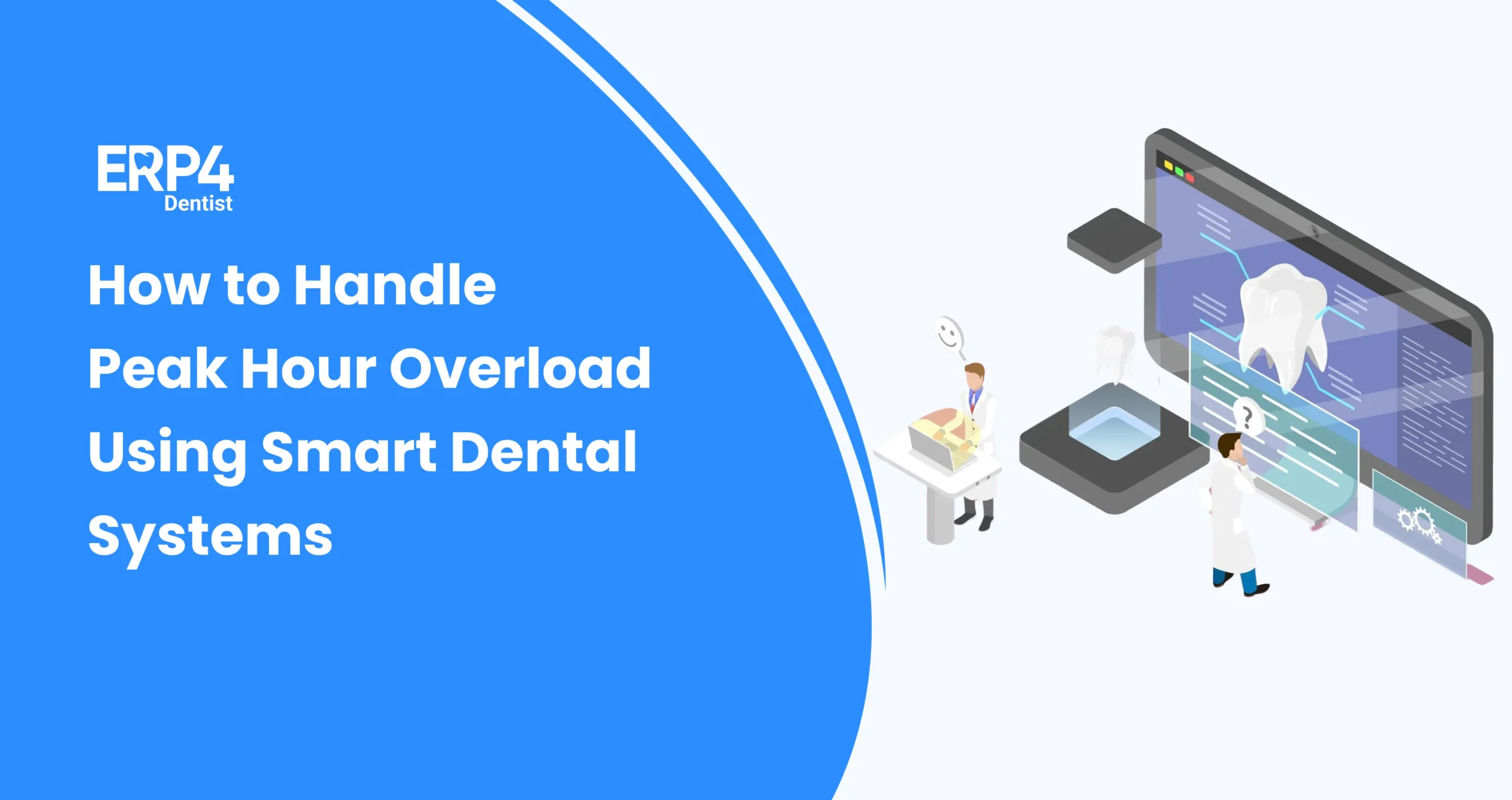
Peak hours in Dental Clinics can get very hectic. One patient is checking in, another is waiting in the queue, and the reception phone will not stop ringing. Suddenly, the schedule feels too tight. When clinic operations are not designed to handle this kind of rush, things slip out of hand, patients keep waiting, and appointments are delayed.
In such scenarios, Dental Scheduling Software makes a remarkable difference. A true lifesaver indeed. Smarter systems in place enable clinics to stay on top during busy hours, avoiding chaos and managing high patient volumes with ease. This keeps both staff and patients happy.
Why Do Dental Clinics Struggle During Peak Hours?
Peak-hour overload is not about too many patients visiting the Dental clinic, but about inefficient systems. Many clinics face common challenges, such as double bookings, late check-ins, billing backlogs, and a lack of coordination between reception and treatment areas.
Firefighting becomes a daily norm. Without real-time visibility into appointment schedules and workflows, clinic staff end up struggling rather than proactively managing. This scenario directly impacts patient satisfaction and clinic revenue.
How Smart Dental Systems Help Manage Peak Hour Overload
Dental Practice Management Systems are professionally designed to reduce chaos and improve Digital Workflow in Dentistry, mainly during peak hours.
Here’s how:
1. Centralized Appointment Management
An efficient dental appointment scheduling software replaces spreadsheets and manual paperwork with a single dashboard. Clinic staff get real-time visibility into vacant calendar slots, doctor schedules, and patient inflow.
2. Automated Slot Optimization
An intelligent Dental ERP tool evenly distributes appointments, preventing overload and enabling efficient dental scheduling.
3. Integrated Billing & Records
Patient appointments are directly linked to billing and invoices, reducing delays caused by paperwork during peak hours.
4. Data-Driven Decisions
With smart dental scheduling software, clinics can identify high-traffic time slots and adjust staff and schedules accordingly. Thus, a typical Dental software is both a strategic and an operational tool.
5. Automated Patient Communication
Smart Dental Patient Software sends appointment confirmations and reminders via WhatsApp and Email in real time. This avoids multiple calls during peak hours, minimises no-shows, and keeps patients informed on minor delays. As a result, the front desk stay focussed, and schedules are on track.
Step-by-Step Guide: Implementing Smart Systems to Handle Peak Times
Transitioning to a smart Practice Management Software for Dentists need not be too overwhelming.
Follow the steps for a smooth transition.
Step 1 : Assess Your Peak Hour Patterns
Identify appointment slots when patient volume is the highest and which procedures consume the maximum chair time.
Step 2: Choose the Right Dental System
Choose the right platform that includes dental office scheduling software, along with features such as workflow tracking, billing, and reporting.
Step 3: Configure Smart Appointment Rules
Utilise smart appointment scheduling feature to define accurate treatment durations and doctor availability.
Step 4: Train Your Front Desk Team
You can choose the best software, but you can make it work efficiently with the right team and the right training. Ensure clinic staff are well-trained to handle the software.
Step 5: Monitor & Optimize Regularly
Monitor clinic performance regularly to identify bottlenecks and apply lessons learnt and dental scheduling tips to enhance the clinic.
A structured approach helps you understand how to make a dental office more efficient, mostly during high-volume peak hours.
Common Mistakes to Avoid When Using Dental Software for Peak Hours
- Overbooking Without Capacity Planning – Capacity planning is important. Clinic automation does not mean overbooking.
- Ignoring Staff Feedback – Front-end staff identify scheduling mistakes early. Their training and feedback are very critical. Staff play a key role in Dental Clinic Software Adoption.
- Not Using Analytics – Many clinics use software but ignore analytics, which help them manage their peak-hour rush.
- Skipping Workflow Integration – Appointment scheduling should not operate in isolation and ideally be integrated with other features such as billing and analytics.
- Underutilizing Features – Clinics often ignore advanced features and end up using only basic ones.
Conclusion
Peak hour rush should not feel like a daily struggle. With the right tools in place, Dental Clinics can easily turn their busiest times into their most productive ones.
ERP4 Dentist, the Patient Communication Software Dental is built exclusively to help Dental Clinics seamlessly manage their workflow, reduce delays, and have complete control over the operations even during high-patient flow hours.
By strategically leveraging dental scheduling software, Dental Clinics can keep their team calm, composed, and efficient while focusing on the most important element: Patient Satisfaction.
Explore more on how to improve your clinic workflow by trying their 30-Day Free Trial now!
FAQs
- What causes peak hour overload in dental clinics?
Peak overload usually happens due to poor scheduling, manual processes, and a lack of real-time workflow visibility.
- Can dental software really reduce patient waiting time?
Yes, smart systems optimize schedules, track patient movement, and reduce bottlenecks.
- Is ERP4 Dentist suitable for small clinics?
Absolutely. It’s designed to scale with both new and growing dental clinics.
- How long does it take to implement smart dental systems?
Most clinics can go live within a few weeks with proper setup and staff training.
- Do smart scheduling systems increase clinic revenue?
By reducing no-shows, idle time, and inefficiencies, clinics often see improved revenue and productivity.