Let’s be very honest. Bringing a new dental staff into a dental clinic feels like pressing a pause button on clinic productivity. Explaining workflows to walking through patient records can be really overwhelming. This is why dental staff training needs to be smarter and not longer.
In this blog, we will explore how role-based dental software simplifies learning, reduces confusion, and helps clinics train and onboard their teams faster. We will try to understand common staff training challenges, provide implementation guides, and outline mistakes to avoid so that your clinics can achieve efficiency from the first day.
Challenges in Training Dental Staff
Training and development of dental staff is not just about showing someone how to click. It involves critical issues like patient communication, appointment management, and billing protocols. Without proper structured training, this process becomes inconsistent.
Common challenges faced are:
- Overloading of information – too much at once
- No standardized dental office staff training process
- Errors during early training stages
- Lack of clarity during the initial staff onboarding process
New hires might feel confused or hesitant. Training new staff can become overwhelming when dental software is complex and overloaded with features.
What Are Role-Based Software Interfaces in Dental Clinics
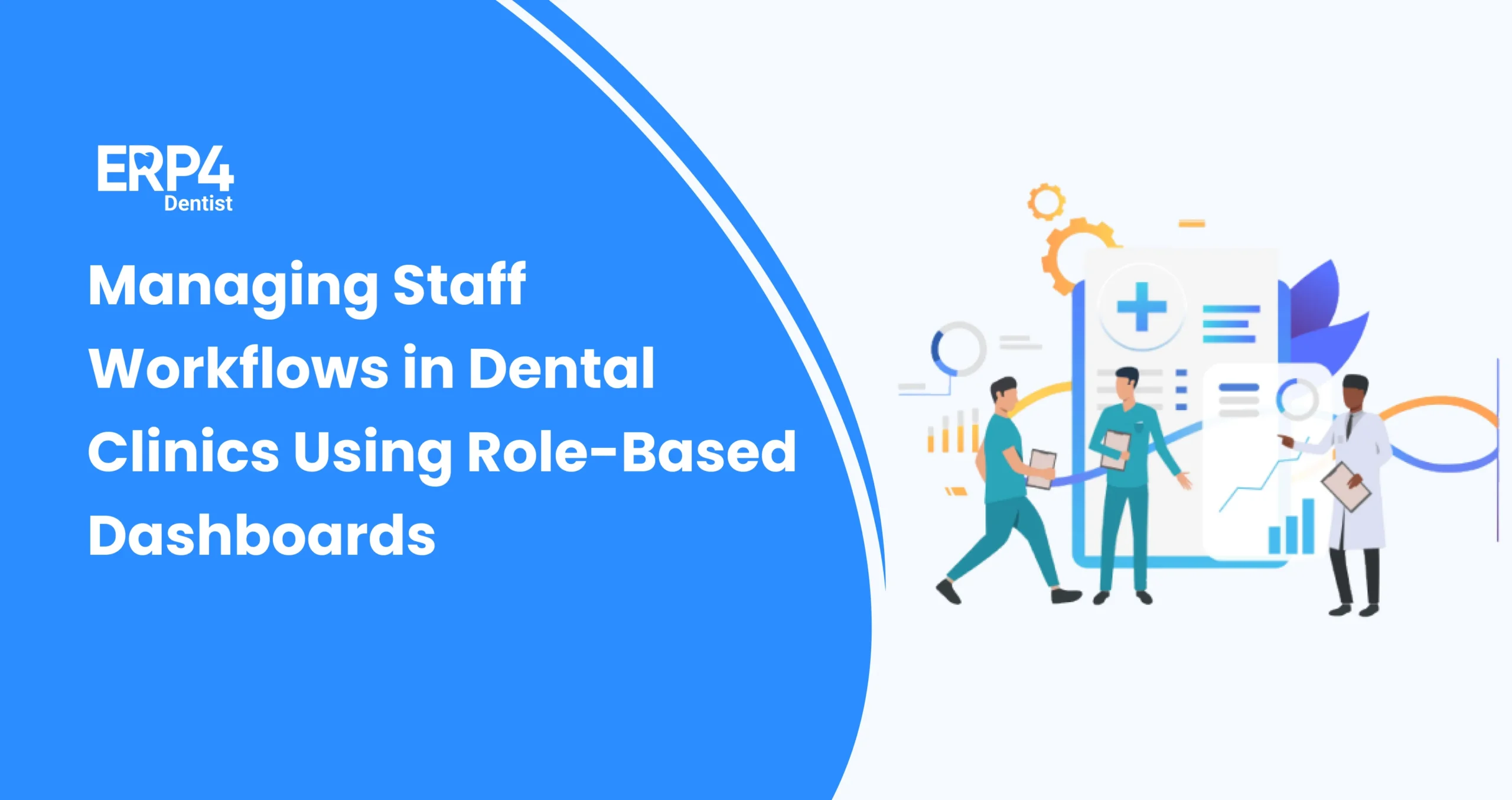
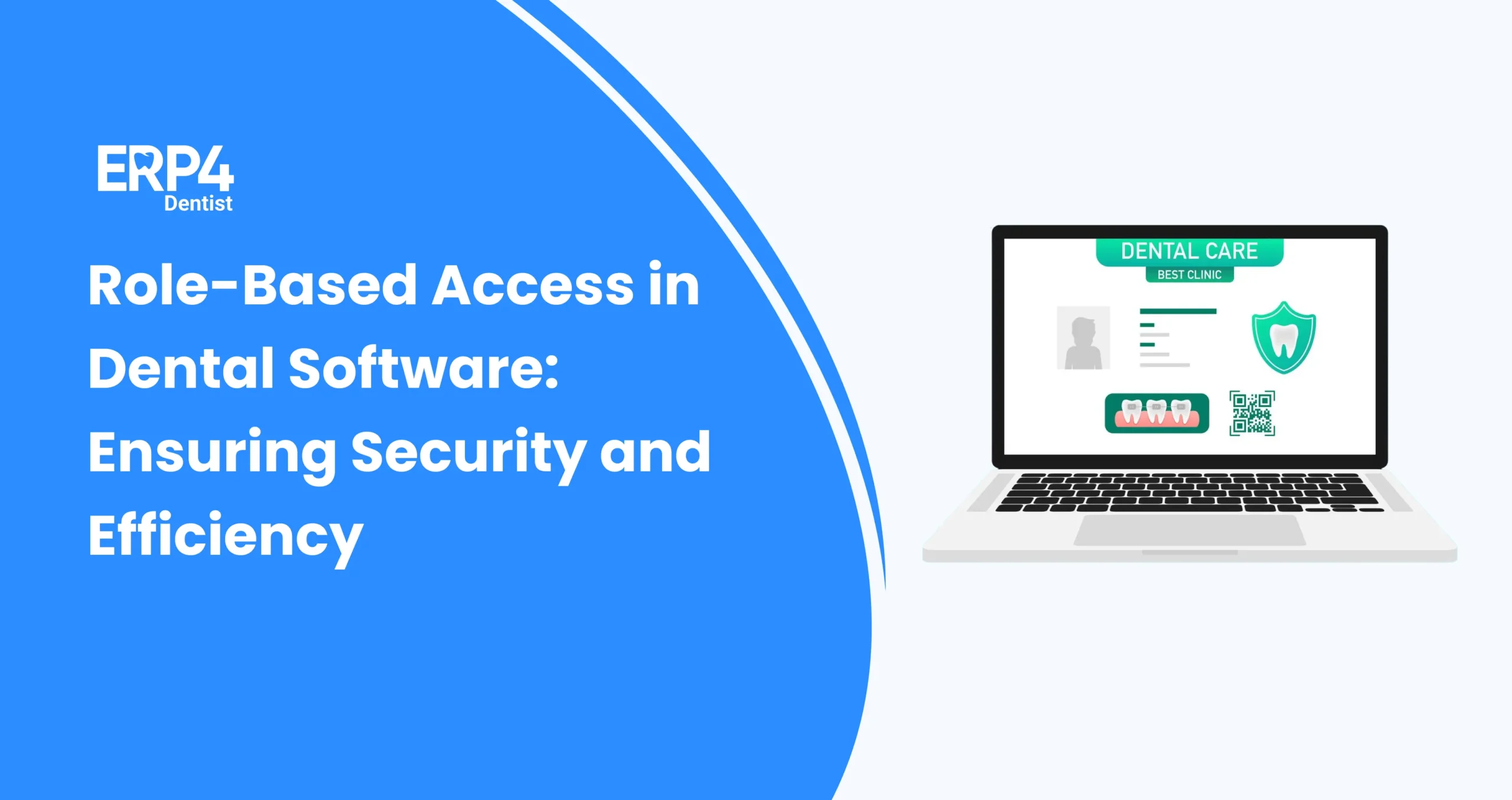
Role-based software interfaces are systems designed to grant users access only to what is relevant to their specific job.
A few examples are:
- Receptionists can see appointments, billing, and patient communications
- Dentists can access dental charts, treatment plans, and prescriptions
- Accounts staff can manage payments and reports
This clear approach simplifies dental software training by allowing each team member to focus solely on their responsibilities. Staff eventually interact with a customised dashboard designed to suit their daily needs.
How Role-Based Software Speeds Up Dental Staff Training
Role-based Dental Practice Management Systems make a huge difference in enhancing dental clinic efficiency.
- Reduce information overload: when users see only relevant modules, they learn faster and retain information better.
- Better focus – Each team member is more focused and understands their responsibilities better.
- Minimized errors – Limiting access ensures vital information is not meddled with
- Boosts confidence – Staff are onboarded quicker, which boosts their self-confidence
- Training process standardised – Structured training ensures consistent staff onboarding, ensuring every new hire follows the same learning path
- Saves clinic staff time – Experienced staff do not need to handhold new staff. This means better patient care rather than constant supervision.
This is how smart dentalERP transforms dental staff training from a lengthy, cumbersome process into a streamlined, pleasant experience.
Step-by-Step Guide to Implementing Role-Based Training
Follow these simple steps if you wish to implement this approach in your clinic.
Step 1: Identify key clinic roles
List all the roles in your clinic: Dentists, Receptionists, Assistants, etc.
Step 2: Define Role Responsibilities
Clearly outline which role needs what access
Step 3: Customize dashboards
Set up dashboards with role-specific interfaces that display only relevant information.
Step 4: Create short, crisp Training Modules
Create short and quick staff training modules instead of long, boring sessions
Step 5: Simulate Real-life Scenarios
Make staff work on the software and simulate processes, purely for training
Step 6: Monitor Early Performance
Track how quickly team members are able to adapt and identify any gaps in dental staff training program.
ERP4 Dentist is a pioneer in providing robust Dental staff training and helps dental clinics implement structured processes effortlessly. It supports faster staff adoption and minimal operational disruption.
Common Mistakes Clinics Make During Software Training
Even with an extremely structured, cautious approach, Dental clinics face challenges.
- Giving full access to everybody
- Conducting long, heavy training sessions
- Skipping practical demos
- Not standardising procedures
- Ignoring training follow-up and evaluation
Any training program should be interactive, progressive, and structured. Without these, confusion increases and productivity drops.
Conclusion
Training dental staff need not be a time-consuming or stressful process. With role-based interfaces, learning can be simplified, mistakes can be reduced, and confidence can be built from day one.
ERP4 Dentist is designed exclusively to support faster, tailored training for each dental clinic. By aligning software access with responsibilities, we can help clinics accelerate learning, improve efficiency, and ensure seamless patient care, even as they expand their teams.
If you are looking to transform how you manage and train dental staff, ERP4 Dentist makes this transition structured, simple, and scalable.
Try their 30-Day Free Trial today!
FAQs
- How long does it take to train new dental staff on software?
With structured, role-based systems, most team members become comfortable within a few days to a couple of weeks.
- Why is role-based access important in dental clinics?
It reduces confusion, prevents errors, and ensures each team member focuses only on relevant tasks.
- Can role-based software reduce training costs?
Yes, shorter training periods mean less downtime and reduced supervision time.
- Is role-based software suitable for small clinics?
Absolutely. Even small teams benefit from clear role separation and simplified workflows.
- Does ERP4 Dentist support role-based dashboards?
Yes, ERP4 Dentist provides customisable interfaces tailored to each clinic role, enabling faster, more efficient staff training.