Nobody likes extra charges. It is similar to entering a restaurant and looking at the menu, and subsequently getting a shocking extra charge of service that you had not consented to pay. The dental clinics share the same frustration regarding investing in new software. What seems cheap initially may actually have some hidden price tags that surface after you have made the commitment.
When it comes to dental patient management software, clinics can’t afford to be blindsided. Onboarding costs to feature upgrades, the fine print can turn software into a much more costly endeavor than anticipated. They not only affect budgets, but may also affect operations when they are not expected. This is why one should know where the charges creep up and how to escape them. In this blog, we’ll uncover the most common hidden fees in dental software and explain how clinics can make smarter, more transparent choices.
What are Hidden Costs?
Hidden costs are expenses that aren’t clear when you first purchase dental patient management software, but appear later as you start using it. These can include dental software implementation costs, subscription fees in dental software, or even unexpected dental software support charges. These extras can quickly accumulate, as the base price might appear affordable, but these extras cause the solution to cost more than intended. Identifying these common hidden fees in dental software early on helps avoid financial surprises and ensures the investment truly supports long-term efficiency and growth.
8 Hidden Costs to Watch Out For in Dental Management Software
Undisclosed costs may soon make seemingly cheap software a very expensive liability. Clinics may incur unnecessary costs in these eight areas.
Onboarding & Setup Fees
Many vendors advertise low upfront prices, but once you sign up, they add dental software implementation costs for installation, configuration, and initial setup. These prices do tend to be a bit different depending on the size of your clinic or users. Onboarding is vital to ensure the system runs smoothly, but it is not unexpected. Clinics should verify that the package has setup support or is charged separately. Knowing these costs upfront will prevent frustration and will provide a realistic budget for new software adoption.
Data Migration Fees
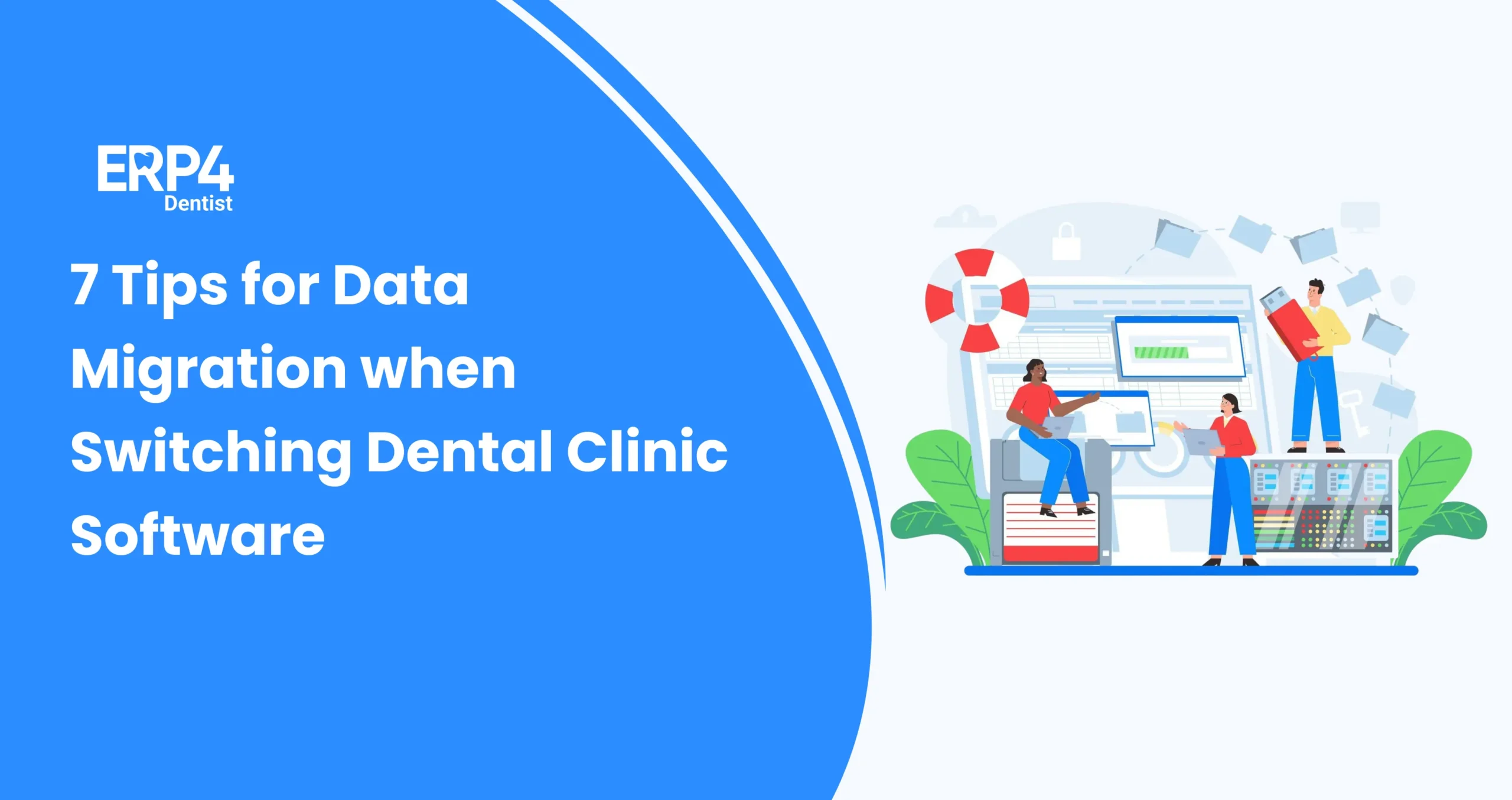
Switching to a new dental patient management software often means moving years of patient records, billing data, and treatment histories. Data migration for this process is charged by many vendors, particularly when you require bulk transfers or integration of legacy systems. Without proper planning, these expenses can quickly increase and place a big strain on your budget. Clinics are not left out; they must pay because incorrect migration would mean the continuity of care. Always ensure to enquire whether migration is part of the plan or an additional service to avoid incurring indirect expenses in moving to a new dental ERP.
Feature Lock-In or Upcharges
Other providers offer appealing minimum offerings but limit advanced functionality, such as analytics, billing, or communication, in premium packages. These dental software upgrade fees often surprise clinics when they realize key functions are locked behind additional payments. Indicatively, you could incur an additional cost of patient communication modules or enhanced reporting dashboards. This vendor lock-in results in a vicious cycle in which clinics either give up efficiency or continue to pay more. Ensure that all the necessary tools are incorporated in the plan before investing. Transparent vendors will clearly outline what’s covered, helping you avoid dental clinic software hidden charges tied to locked features.
Support & Maintenance Charges
Independent support is a prerequisite, but most sellers charge to help. It might include additional charges for technical inquiries, troubleshooting, or even routine updates. These dental software support charges often add up over time and make the solution more expensive than planned. In the case of multi-doctor practices, patient experience and efficiency may be negatively affected by the downtime due to delayed support. The subscription to a good dental ERP should also contain timely updates, security patches, and prompt customer support. Clinics are advised to always query at the very start whether support is included or charged independently to prevent incurring future latent expenses.
Long-Term Contracts with Cancellation Fees
Another trap of hidden costs is locking clinics into long-term contracts. Most of the vendors are pushing annual or multi-year contracts, and should you wish to change, they charge high termination fees. These limitations mean that clinics are unable to resort to more cost-effective solutions without making huge losses.
Although the contracts might appear safe, they usually conceal financial risks that restrict flexibility. Rather, clinics ought to seek providers to provide flexible and open plans without punitive conditions. By understanding these common hidden fees in dental software, practices can stay agile and choose systems that truly fit their evolving needs without paying extra.
Subscription Fees Beyond the Base Plan
Most subscription fees in dental software are advertised as “all-inclusive,” but clinics often discover hidden add-ons later. This might include additional storage fees, patient communication solutions, or analytics solutions. These add-ons raise the monthly cost significantly higher than the base plan over time. These constant surprises can be a strain on a clinic with tight budgets. Always check what the subscription includes: are the backups, updates, and unlimited users awarded, or are these extras? Open vendors will list all repeating costs in a clear manner, and this will assist clinics in predicting their costs without the fear of being caught by a sudden bill.
Multi-Location or Multi-User Access Costs
Multi-location dental practice software is essential to growing practices. Nevertheless, most providers impose hidden costs when clinics desire to increase access not only to branches but also to additional users. This may be costly quickly with per-user or location fees since it starts as a one-clinic solution. These expenses have a tendency to increase with the advent of the practice, and it can be hard to scale. Clinics must always enquire whether the license is unlimited in usage and multi-branch, or whether it is premium. A clear dental ERP must be able to grow with your practice without punishing it, so expansion does not turn into a budget nightmare.
Data Backup & Recovery Expenses
Backups should be done to avoid loss of data, but some vendors paint this as an optional service. Cloud storage, disaster recovery, or patient record restoration after a crash may become hidden costs of data backup and recovery. In the absence of a backup, clinics may lose treatment history, billing data, and compliance data, which no practice can afford. A compliant dental patient management software should provide automated backups and easy recovery without surprise fees. Clinics also need to ensure the backup services are part of the subscription package or sold separately to prevent costly risk in case of unexpected failures.
Why ERP4Dentist is a Prudent Choice
While many vendors burden clinics with dental clinic software hidden charges, ERP4Dentist takes a different approach by keeping pricing transparent and inclusive. Since the very first day, clinics can access basic functions such as patient records management, billing, and compliance without fear of unpleasant surprises. There are no surprise dental software implementation costs, inflated support charges, or premium-only upgrades for essential features.
Role-based access control, automated data backup, and compliance-ready safeguards are also standard offerings in ERP4Dentist. The benefits of dental management software scales effortlessly, whether you run one clinic or many branches without incurring additional charges for users or location. Avoiding any concealed expenses and providing an actual ERP designed to grow, ERP4Dentist will enable the clinics to concentrate on better care of patients and remain within their budgets.
Final Word
Undisclosed expenses of dental software slowly erode the budget of a clinic, and what seemed to be a cheap solution can become a costly nightmare. Ranging from setup fees to the subscription add-ons, these fees tend to appear after you are already hooked. It is smarter to collaborate with a provider that appreciates transparency and long-term trust. ERP4Dentist offers an all-in-one dental patient management software with built-in security, backups, and compliance tools, without the surprise fees.
And the best part of it all is that you can test its full potential using a 30-day free trial, which would allow you to be fully confident before committing to investing in the future of your clinic.
Frequently Asked Questions (FAQS)
1) How do cloud-based and on-premise software models differ in terms of hidden costs?
Cloud-based models are usually associated with updates and support being part of a subscription, whereas on-premise solutions can be associated with additional hardware costs, upgrades, and maintenance. A total ownership cost is always to be compared, and not only the initial pricing.
2) How to spot hidden fees in a software contract?
Find ambiguous words when it comes to training, support, storage, or feature upgrades. Request vendors to include a breakdown of all possible charges prior to signature.
3) What is “vendor lock-in”?
Vendor lock-in occurs when the cost or effort to change software becomes prohibitive because of disabling contracts, data transfer charges, or cancellation. It is restrictive in nature and can trap clinics with a greater long-term cost.