Dentists often feel like jugglers while managing their Dental Clinic. One moment they are confirming appointments, and the next moment they are sorting out billing queries. Dentists often rely on manual decisions for daily operations.
This chaos leads to a piling up of delays and errors. That’s why many clinics are adopting dental automation to streamline operations and free up time for patient care. Automating processes does not replace people. Instead, it helps dental teams work smarter, faster, and stress-free.
Why Manual Decision-Making Slows Down Dental Clinics
Manual decision-making might feel ‘under control’ but always depends on human memory, repeated data entry, and perishable paperwork. Over time, this creates bottlenecks that hinder the clinic’s overall progress.
This is why it poses a problem
- Time wasted on repetitive tasks
- Human data entry errors have become very common
- Staff exhibits low productivity and morale
- Patient experience gets affected
Understanding the difference between manual and automated system is the key. Automation is a boon for Dental Clinic owners. Clinic automation helps make clear decisions, reduces guesswork, and supports clinic growth.
10 Manual Decisions Dental Clinics Should Automate Immediately
1. Appointment Scheduling
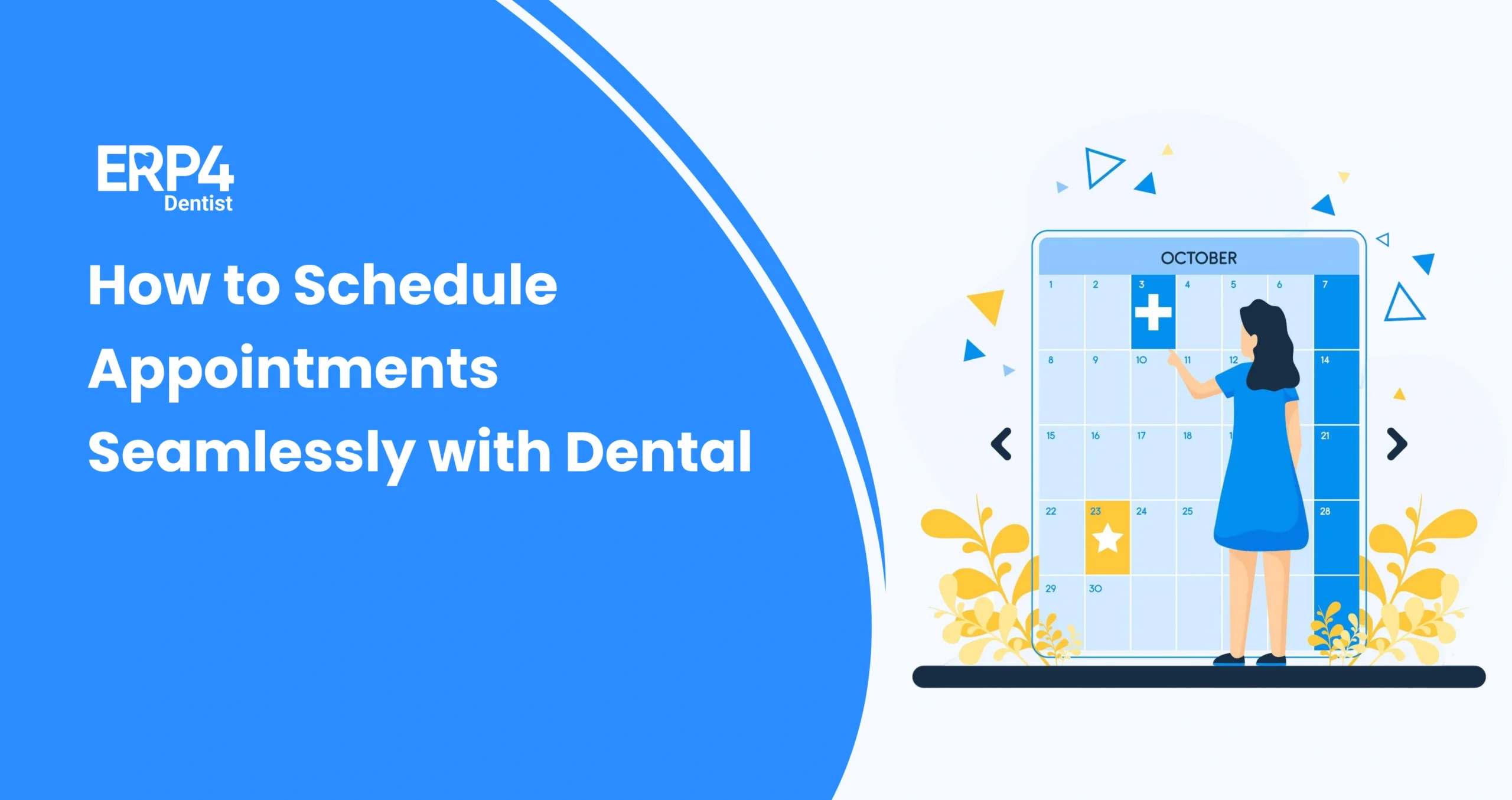
Instead of manually booking appointments, automated appointment-booking systems can display available slots on the calendar and send WhatsApp messages instantly.
2. Patient Follow-Ups & Reminders
Calling patients for every appointment? That’s outdated. Automated reminders via WhatsApp significantly reduce patient no-shows.
3. Billing & Payment Tracking
Manual billing can lead to human typo errors. Billing automation ensures accurate billing, receipt, and invoice generation. This also ensures faster payments.
4. Patient Records Management
Digital systems, through Electronic Medical Records, securely organise patient records and enable easy, instant retrieval of information.
5. Peak Hour Load Management
Managing rush hours manually is generally overwhelming to clinic staff. Smart systems enable clinic staff to easily view booked appointments and available vacant slots and optimise chair utilisation in real time.
6. Patient Consent Forms
Manual paper-based consent forms increase the risk of errors and misplaced patient records. Digital consent forms improve data accuracy and create a professional experience for the patients.
7. Staff Scheduling
Managing various shifts manually can be confusing when exchanging information between shifts. Automated systems simplify coordination and ensure fewer conflicts.
8. Reporting & Analytics
Compiling reports manually every month can be very time-consuming. Automation generates reports on clinic revenue, popular doctors, popular procedures, and clinic performance in seconds.
9. Vendor & Purchase Order Management
Tracking vendor purchase orders manually can be difficult, and clinic staff may miss deadlines, which directly leads to patient dissatisfaction. Automation helps clinics evaluate suppliers based on cost, timely delivery, and reliability.
10. Treatment Cost Estimation & Patient Approval
Manually explaining dental treatment costs to patients and obtaining their consent can be time-consuming and inconsistent. By leveraging systems that automate manual processes, clinics can quickly generate accurate treatment cost estimates based on predefined procedure pricing.
We just looked at a few examples of how automating manual tasks can transform daily operations. When a clinic starts automating manual processes, it not only saves time but also becomes a smarter clinic.
Benefits of Clinic Automation
Implementation of dental office automation leads to various benefits whose positive impact is immediate and long-term
Key benefits
- Efficient time management
- Error reduction
- Enhanced patient experience
- Better decision-making
- Easy scalability
Dental clinics that embrace dental automation are successful in streamlining operations and stay ahead in the increasingly competitive world.
Concluding Thoughts
Manual dental processes may feel very familiar, but they often hold clinics back from reaching their full potential. Dental automation helps clinics operate more efficiently, reduce stress and enhance patient care.
ERP4 Dentist, the Best Dental Practice Management Software makes a mark in this aspect. Designed exclusively for dental clinics, it helps clinics transition seamlessly from manual systems to an automated workflow. With ERP4 Dentist, clinics don’t just go digital; they truly optimise how they function every day.
Connect today and try their 30 Day Free Trail!
FAQs
- What is dental automation?
Dental automation refers to the use of software to handle routine clinic tasks such as scheduling, billing, and reporting without manual intervention.
- Which tasks should a dental clinic automate first?
Start with appointment scheduling, reminders, billing, and patient record management for immediate efficiency gains.
- Is automation suitable for small dental clinics?
Yes, even small clinics benefit from automation by saving time, reducing errors, and improving patient experience.
- How does automation improve patient experience?
Automation ensures faster service, timely reminders, and smoother communication, leading to better patient satisfaction.
- Can automation reduce operational costs?
Absolutely. By minimising manual work and errors, clinics can reduce overhead costs and improve overall efficiency.